
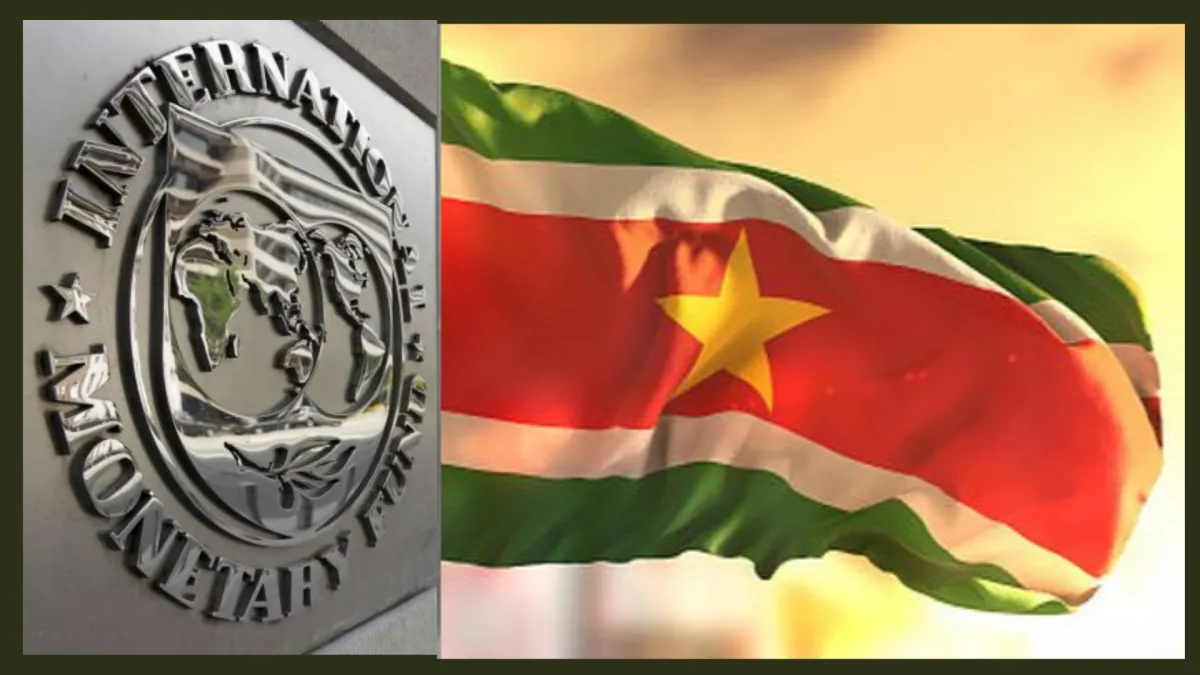
Suriname’s Next Economic Chapter: IMF Signals Opportunity, but Calls for Discipline
Suriname is entering a defining phase of its economic journey. In its latest review, the International Monetary Fund noted that the country is moving closer to a major oil-driven transition, with real GDP projected at 3.9% in 2026 and stronger activity expected over the medium term as offshore development advances. At the same time, the IMF made clear that this opportunity will only translate into broad-based prosperity if Suriname strengthens its fiscal discipline, protects macroeconomic stability, and builds the institutions needed to manage future oil revenues transparently and effectively.
The IMF’s assessment is encouraging in one important respect: Suriname has already made meaningful progress in restoring stability under its completed Fund-supported program, which ended in March 2025. However, the IMF also warned that fiscal and monetary slippages during 2025 weakened some of those gains, contributing to renewed inflationary pressure, exchange-rate weakness, and reduced cash buffers. The message is straightforward: Suriname has made progress, but this is not the moment for complacency.
For the private sector, the implications are significant. The IMF expects non-natural resource growth of 4.7% in 2026, supported by positive oil-related sentiment, while broader growth is expected to stay around 4% until 2028 before accelerating sharply when offshore oil production begins. That signals expanding opportunity not only in energy, but across logistics, construction, professional services, hospitality, training, finance, and other supporting industries that will form part of Suriname’s wider value chain.
At the same time, the IMF is emphasizing something that businesses across the region already understand well: oil wealth alone does not guarantee sustainable development. The institution has urged Suriname to improve its fiscal balance, strengthen monetary management, fully implement its public financial management and Sovereign Wealth Fund legislation, and continue governance reforms so that future revenues are used wisely and transparently. In practical terms, this means that the quality of institutions, policy predictability, and governance will be just as important as the scale of future oil receipts.
For SGCC members, this moment reinforces why Suriname should be viewed not only as an emerging energy story, but as a market preparing for broader economic transformation. The real opportunity lies in how well the country converts resource momentum into long-term competitiveness, investor confidence, and inclusive growth. The IMF’s latest message is therefore both a signal of confidence and a reminder of responsibility: the next phase for Suriname is promising, but success will depend on disciplined policy choices and strong institutions.
Guyana Office (English-speaking)
+592-703-0020 | [email protected]
Suriname Office (Dutch & English-speaking)
+592-746-0020 | [email protected]


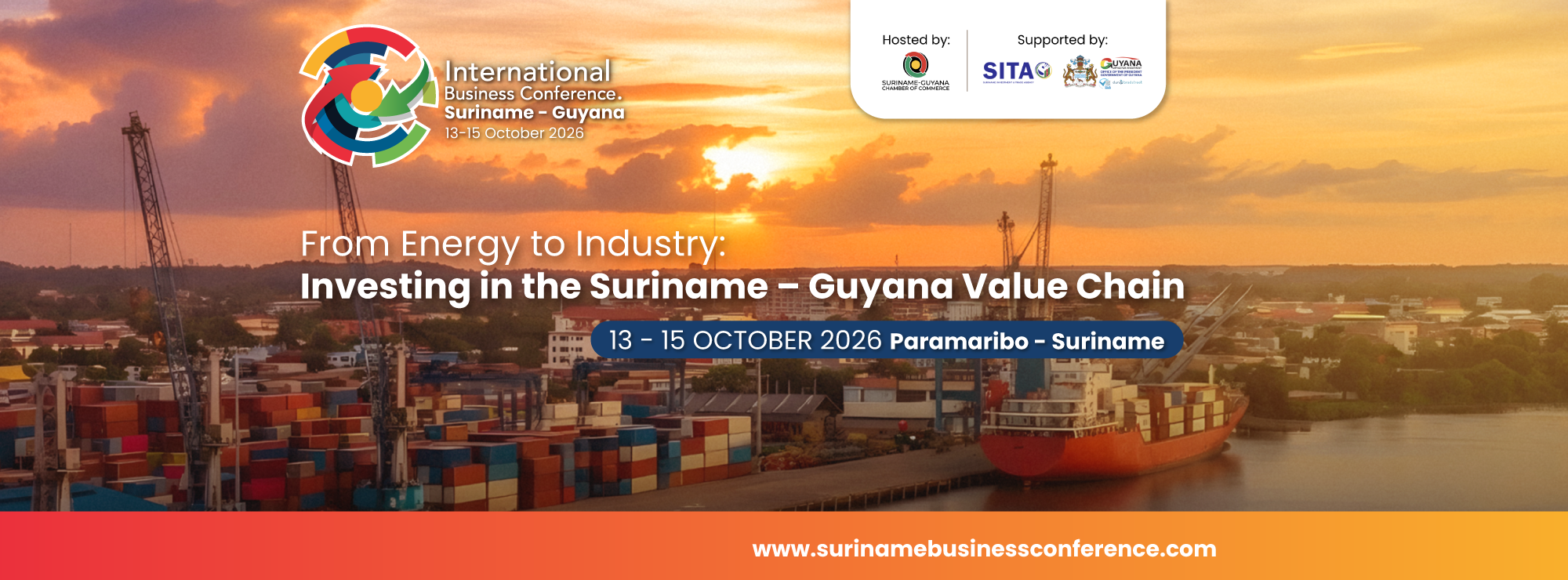
SGCC MEMBERS ARE ENTITLED TO A 50% DISCOUNT ON IBC DELEGATE PASSES
Copyright © 2024, SGCC, Guyana. All rights reserved.
Our contact info is:
+592 703 0020 | +597 746 0020 | [email protected]


